Field notes · Business & Ideas
Thailand's DTV: What the Remote Work Visa Actually Changes
The Destination Thailand Visa is an important option for certain long stay visitors, though it does not provide a universal work permit.
The Gazette Desk7 November 20262 min

Five years is the number that catches the eye. It is also the number most easily misunderstood. Thailand's Destination Thailand Visa, or DTV, is valid for five years and allows multiple entries. It does not allow five years of uninterrupted residence.
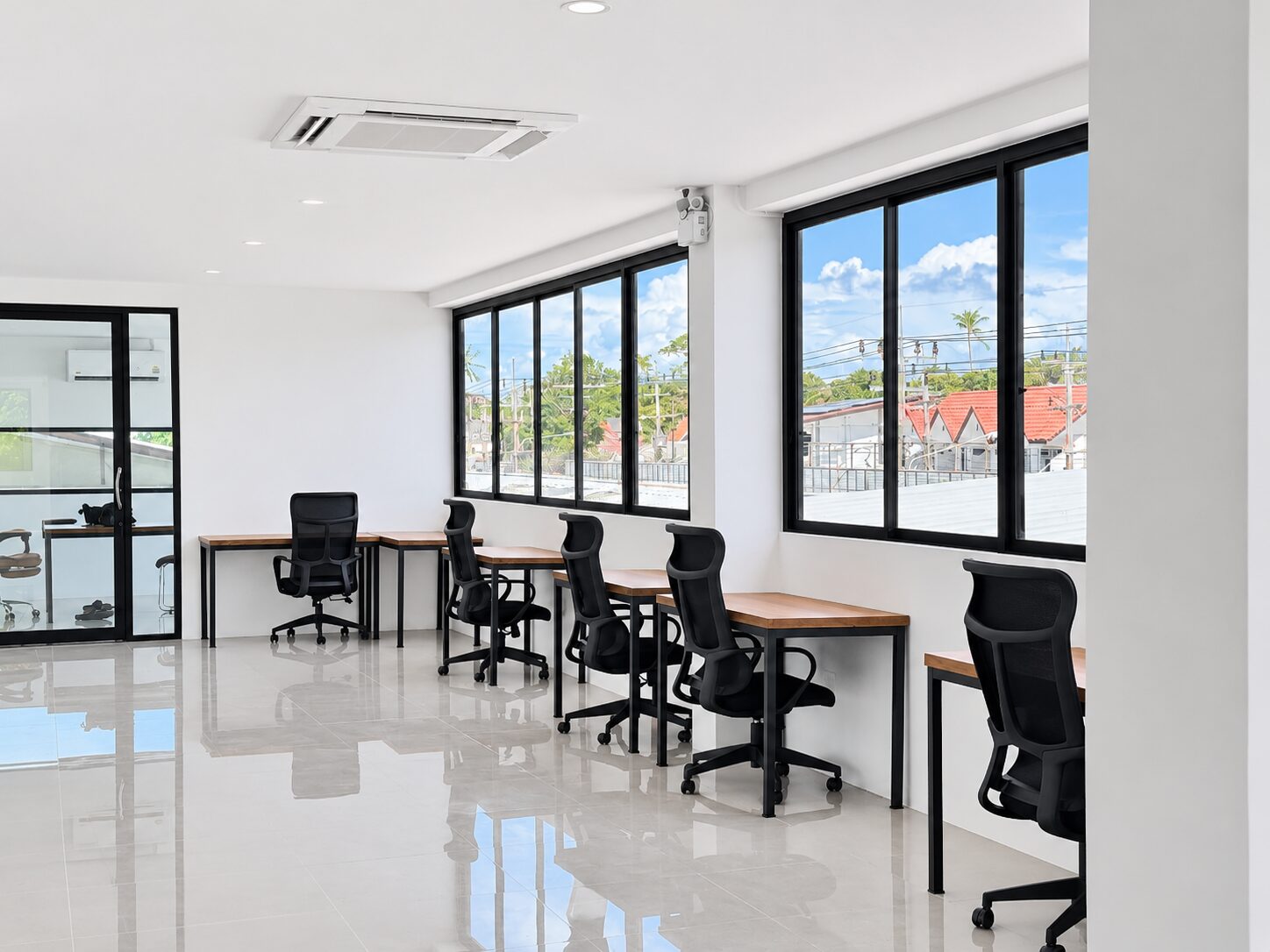
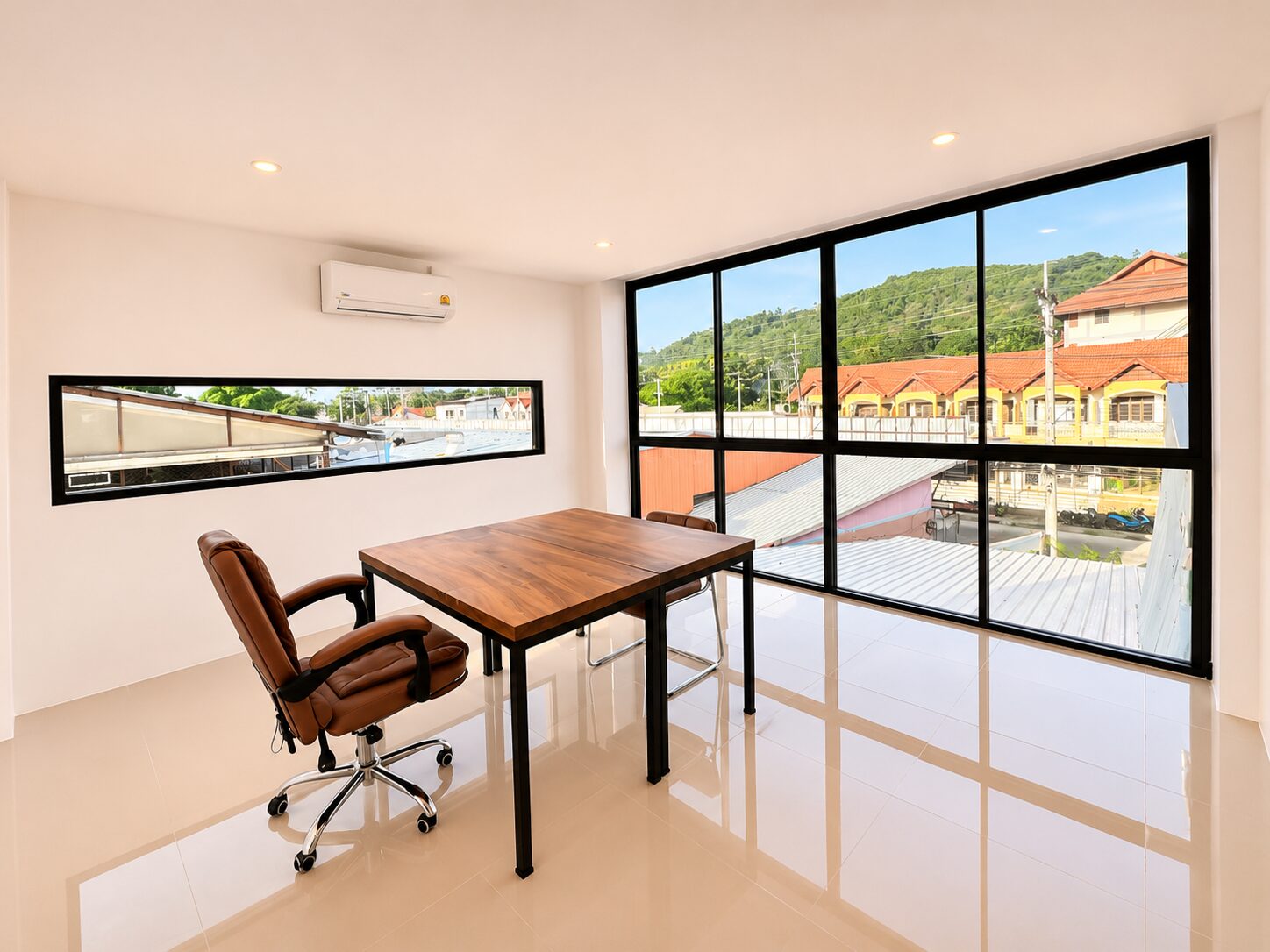
For someone thinking about a working base on Samui, the distinction matters more than the image of a laptop beside the sea.
What each entry permits
Official Royal Thai Embassy guidance allows a stay of up to 180 days per entry. A holder may apply to Thai Immigration for one extension of no more than another 180 days per entry. Approval is not automatic.
After the maximum stay of 180 days plus the extension, the holder must leave Thailand. Re-entry using the same DTV remains possible while the visa is valid, subject to immigration requirements. The visa's expiry and the permission to stay granted on an entry are different dates.
Who can apply
Published categories include workcation for qualifying remote workers, digital nomads and freelancers; eligible activities such as Muay Thai and Thai culinary training; medical treatment; and the spouse and children under 20 of a DTV holder.
The documents must support the category being applied for. Workcation applicants may be asked for an employment contract, employment certificate or professional portfolio. An attractive plan to spend time in Thailand is not a substitute for the required evidence.
The financial evidence
Official guidance specifies at least THB 500,000 or its equivalent in financial evidence. This is an evidence threshold, not the visa fee and not a universal monthly salary requirement.
The responsible embassy or consulate sets its documentation instructions. Requirements for statement periods and acceptable evidence can differ. Read the instructions for the place handling your application rather than borrowing a checklist from someone who applied elsewhere.
Remote work is not local employment
Royal Thai Embassy Singapore guidance describes work for a company abroad, not in Thailand. The embassy in Budapest expressly says DTV holders cannot work for companies in Thailand or freelance for Thai clients.
Do not treat the DTV as permission to take a Thai job or serve the local market. Company, employment and tax questions need their own assessment. A visa does not settle them all.
Before making Samui your base
Check the current official requirements before committing to flights or accommodation. Keep your visa validity, entry permission and any extension separate in your calendar. Seek qualified advice about the work you intend to do and your tax position.
Longer stays can make ordinary routines possible: a familiar desk, regular neighbours and time to get to know a place. The paperwork is the beginning of that life, not a loophole around its responsibilities.
Official sources
Royal Thai Embassy London: DTV categories, evidence and stay conditions
Royal Thai Embassy Singapore: workcation and overseas employment
Royal Thai Embassy Budapest: restrictions on local work
Thailand Trade and Economic Office Taipei: document requirements