Insight · Taste & Culture · Arts & Culture
Designing Belonging: Why Some Spaces Make Us Want to Stay
A room can look excellent in a photograph and still fail the people who use it.
Philemon Dedeur7 November 20262 min
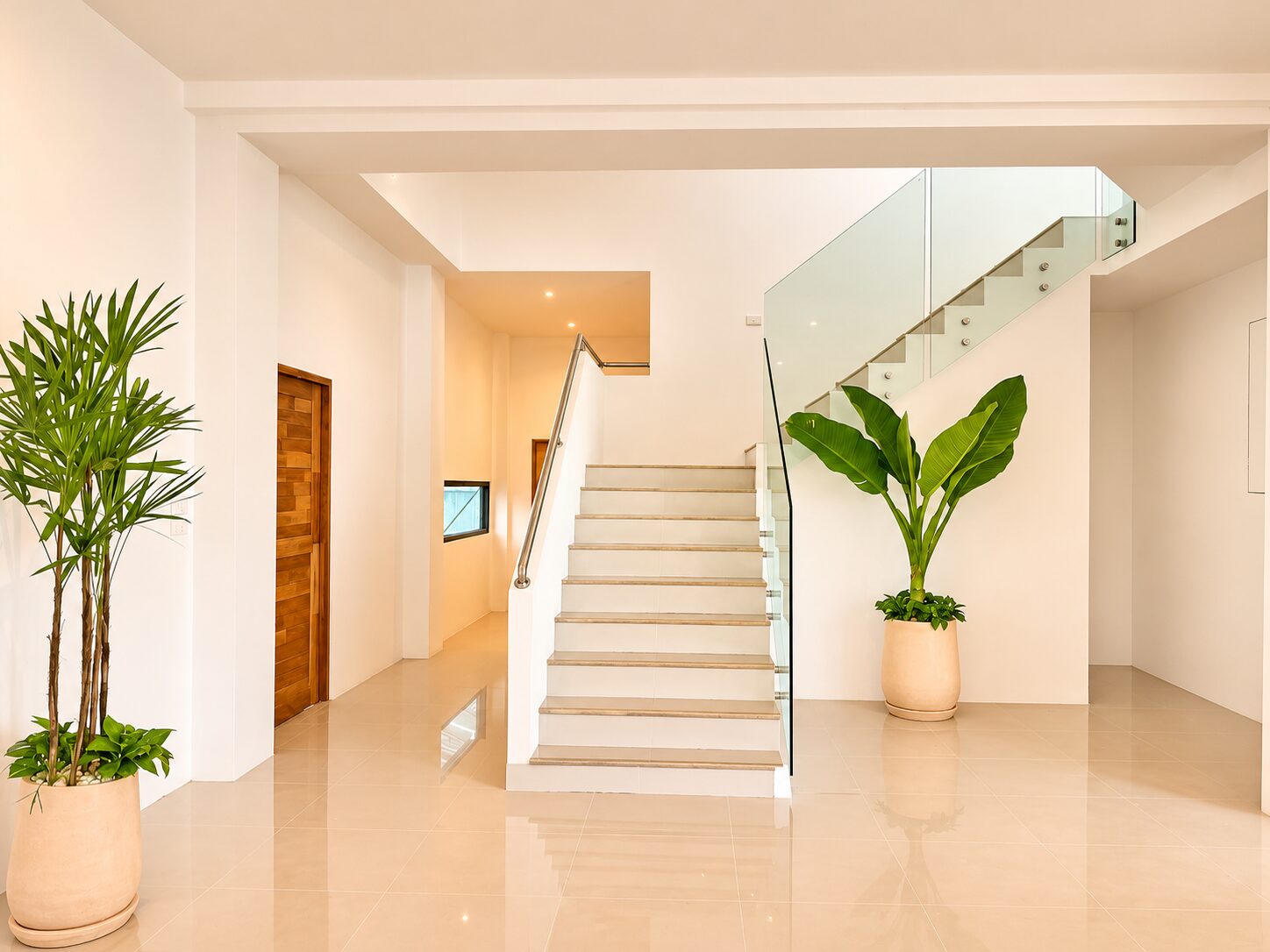
The first impression of a place is often visual. We notice the materials and light, the furniture and proportions. A photograph can capture all of these beautifully. It cannot tell us whether the chair will be comfortable after two hours or the room painfully loud at lunch. Nor can it show whether someone entering alone will know where to sit.
Practical questions
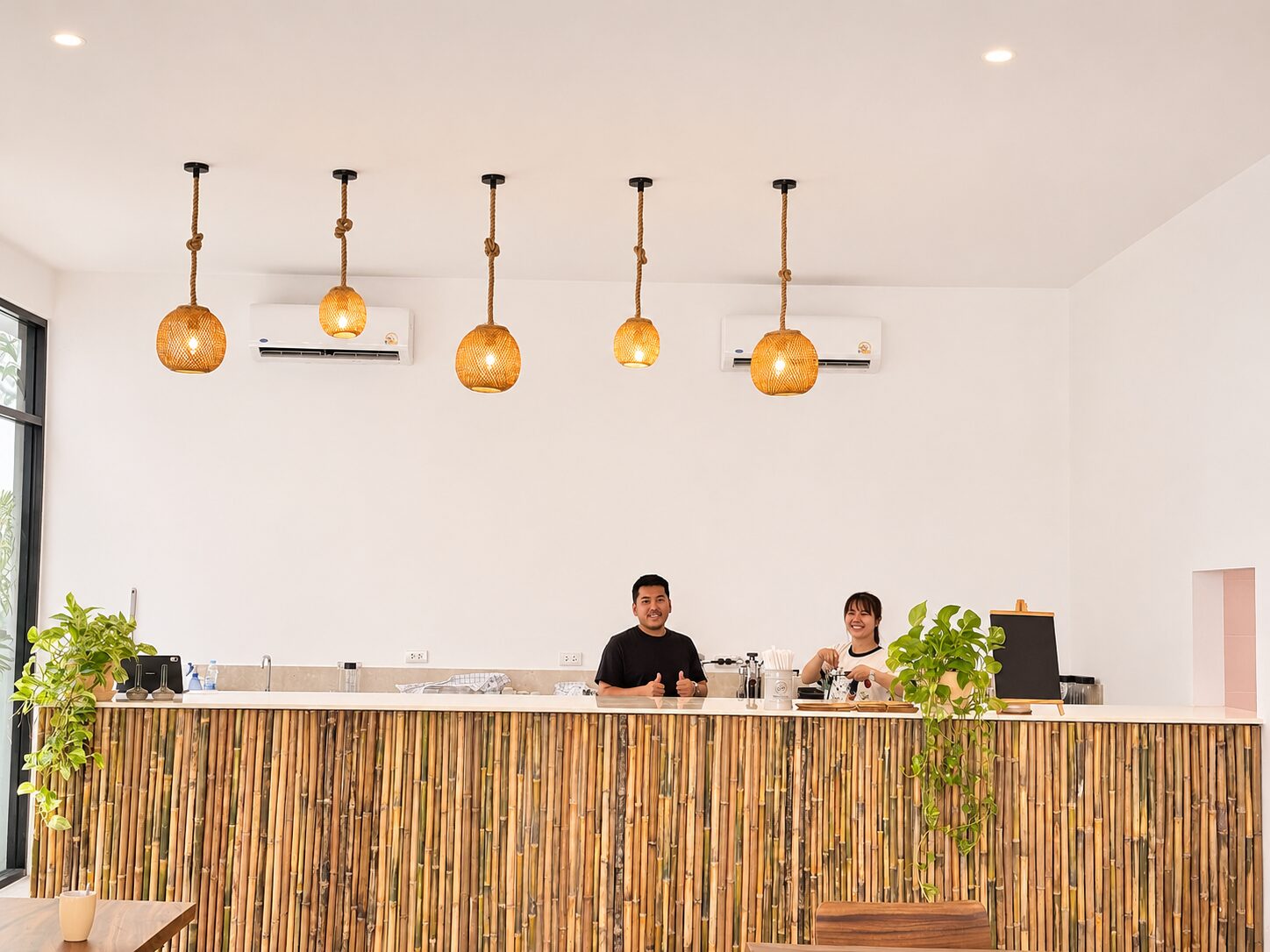
Architecture and hospitality meet in those small practical questions. A doorway determines how a visitor arrives, while a counter controls the first exchange with staff. Seating offers or withholds privacy. Plants may soften a room, but they also need care and the right light. Acoustics, ventilation and circulation rarely receive the praise given to a dramatic wall, though they often decide whether people return.
In a building with mixed uses, the stakes rise. A coworking space must accommodate concentration; a café should feel open to conversation. A meeting room requires boundaries. A restaurant may need an entirely different tempo. If every room is designed to impress in the same way, visual coherence comes at the cost of ease of use.
Working with the building
STRATA House is an interesting case because its footprint was adapted rather than designed from a blank page. The conversion of Patra Building creates opportunities and limitations. Existing structure can give a project character, but it also sets constraints that design must negotiate. Any genuine account of the transformation should acknowledge both the attractive surfaces and the unglamorous systems that make them possible.
Making room for people
There is also a cultural question. What feels welcoming is not universal. A space built for international clients must still understand the habits and expectations of the Thai people who work in it and visit it. Accessibility and clear signage, along with thoughtful use of language, communicate more than a carefully selected colour palette.
A material specification cannot define belonging. Architecture can make it easier, and an operating team can sustain or undo it. What becomes possible when people arrive is the true measure of a good room; its appearance when empty tells us less.
The strongest interiors often make their intelligence feel effortless. You know where to go and can find a quiet corner without asking permission. The table is the right height, and the light lets you read. Someone has considered the needs of the person who will clean and maintain the room as carefully as those of the person who will photograph it.