Insight · Business & Ideas
The Return of the Third Place
Between home and work, another kind of space has always mattered. It may matter even more now.
Philemon Dedeur7 November 20262 min
The spaces between
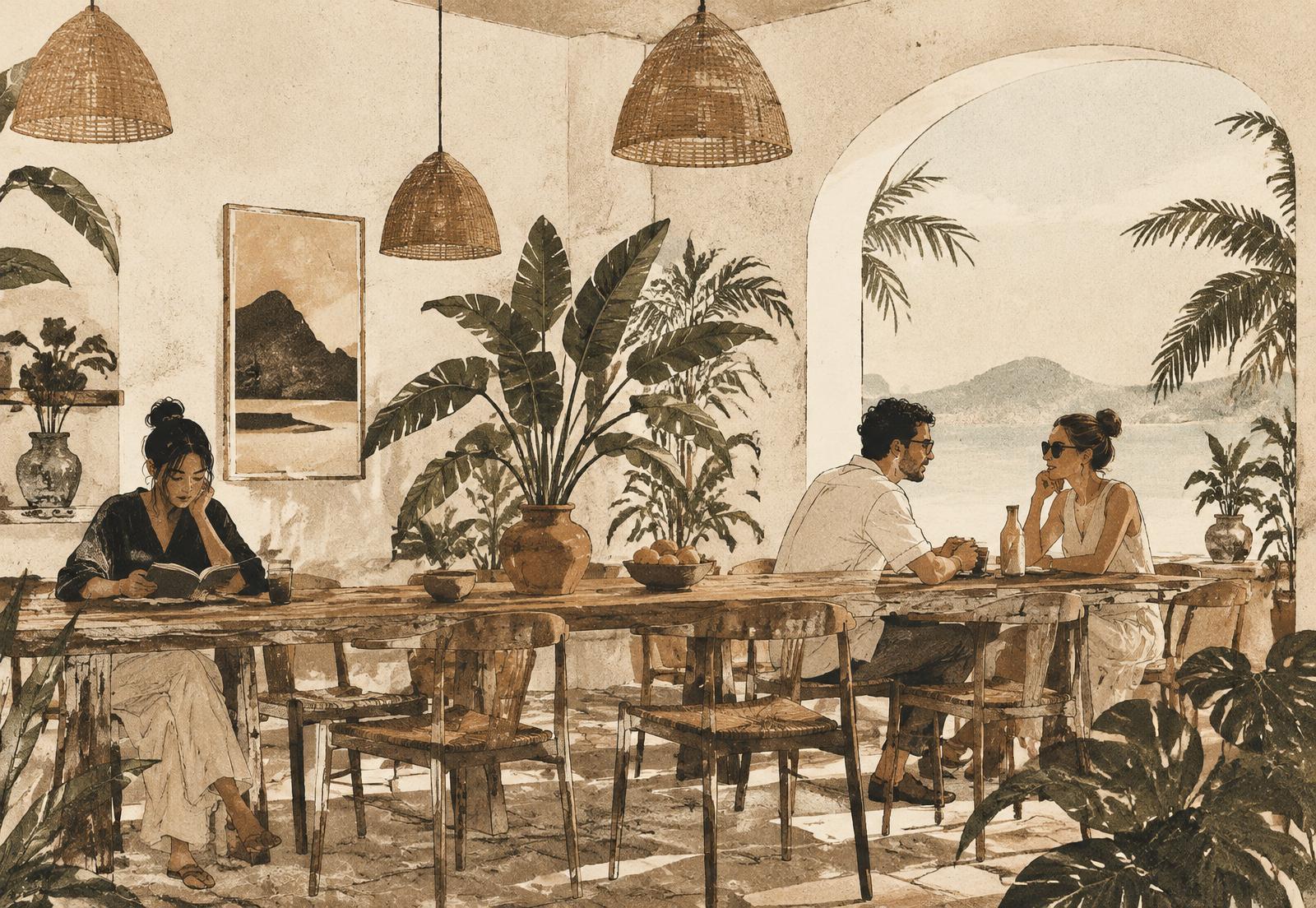
Much of a city or island’s character emerges in the spaces between private homes and workplaces: the café where someone knows your order, the library where nobody needs you to buy anything, a public square, a neighbourhood shop with time for conversation.
The sociologist Ray Oldenburg popularised the idea of the ‘third place’: a social setting beyond home and work in which ordinary interaction can take shape. The term has become fashionable in hospitality and coworking. That popularity brings a danger. Once every premium venue calls itself a third place, the phrase can lose the modest, generous quality that made it useful.
The best examples need little glamour. Their value lies partly in low pressure. A person can arrive without an appointment and stay within reasonable bounds, encountering familiar faces. That recognition can turn an anonymous neighbourhood into somewhere that feels inhabited.
Company without obligation
Remote work has complicated the old division. For some people, the home is now an office and the café an occasional meeting room. The commute is a walk between a desk and the kitchen. Flexibility is welcome, but it can shrink the number of incidental encounters that once happened without planning. This changes the social architecture, though loneliness is not inevitable. People need to choose where and how to meet.
A good third place also knows how to leave people alone. One of the strangest assumptions behind modern community marketing is that everyone is always waiting to network. There is dignity in sharing a room without sharing a conversation. The person reading at the corner table contributes to the atmosphere as surely as a group discussing a new project.
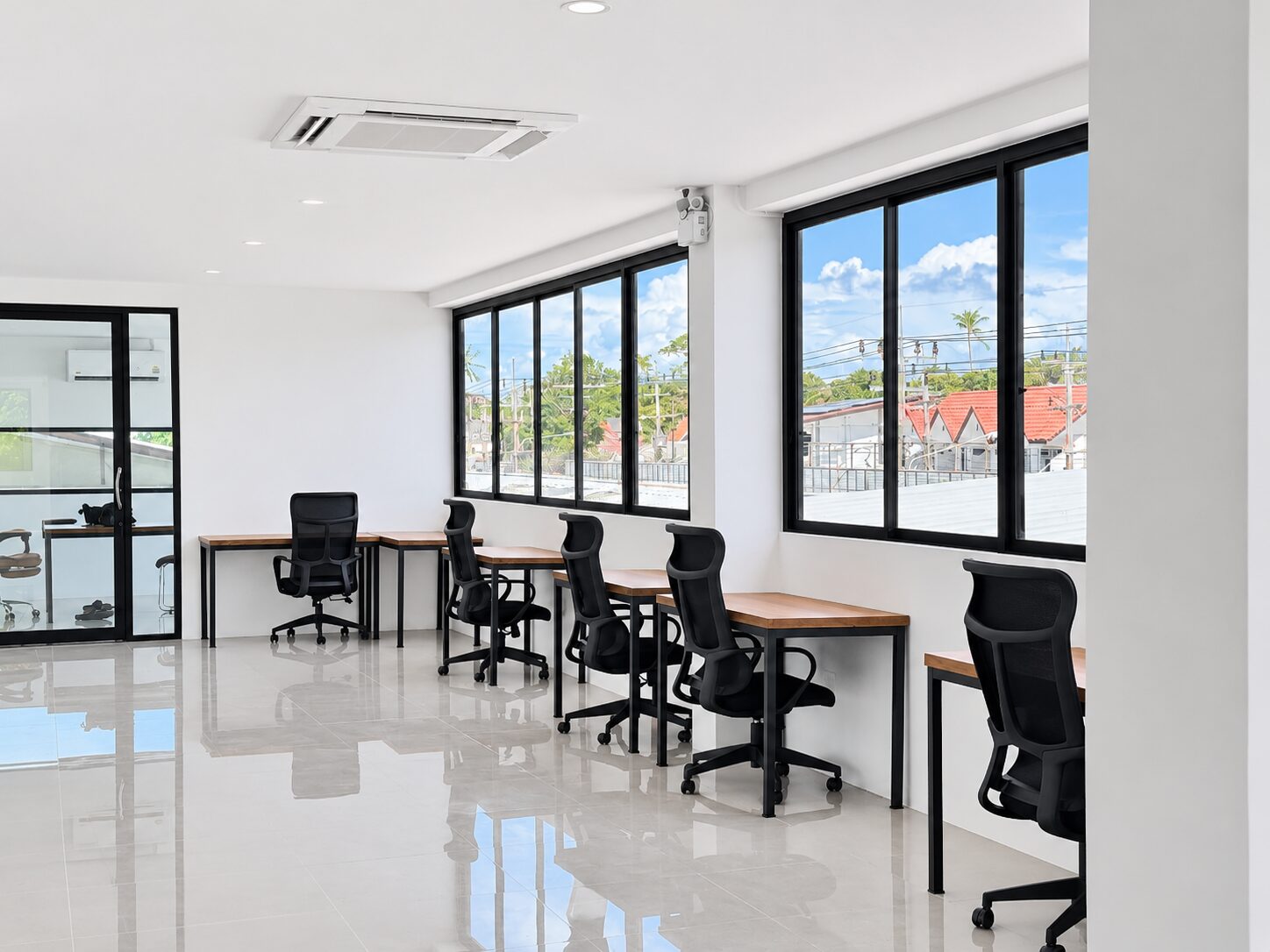
Places such as STRATA House try to bring several daily activities together without making social life compulsory. The experiment will succeed only if a newcomer feels welcome and a regular still has room to work. The strongest sign of belonging may be that nobody insists on announcing it.
Room for everyone
Perhaps more spaces could offer the ordinary possibility of being together, without every space having to become more social.
Privately owned venues have a wider responsibility. They can contribute to neighbourhood life, but they do not replace public spaces. The island still needs streets, parks, libraries, markets and waterfronts that do not require a purchase. A healthy social landscape has many types of third place, accommodating different people and customs at a range of prices.